“`html
Simulating a Crane Shot with a Gimbal
In the filmmaking world, capturing dynamic and cinematic shots can elevate a project to a new level. While professional crane systems provide stunning aerial perspectives, they are often expensive and cumbersome. Enter the gimbal – a more accessible tool that mimics the smooth, rising and sweeping motions of a crane. In this article, we’ll explore how you can replicate crane shots using a gimbal. We’ll discuss the advantages brought by gimbal technology, outline the steps for setting up and executing such shots, and delve into industry trends, including Sony’s rapid exit from the drone arena. By the end, you’ll have a clear picture of how to achieve these cinematic shots with modern equipment.
Sony Gets Out of Drones as Quickly as They Got into Them
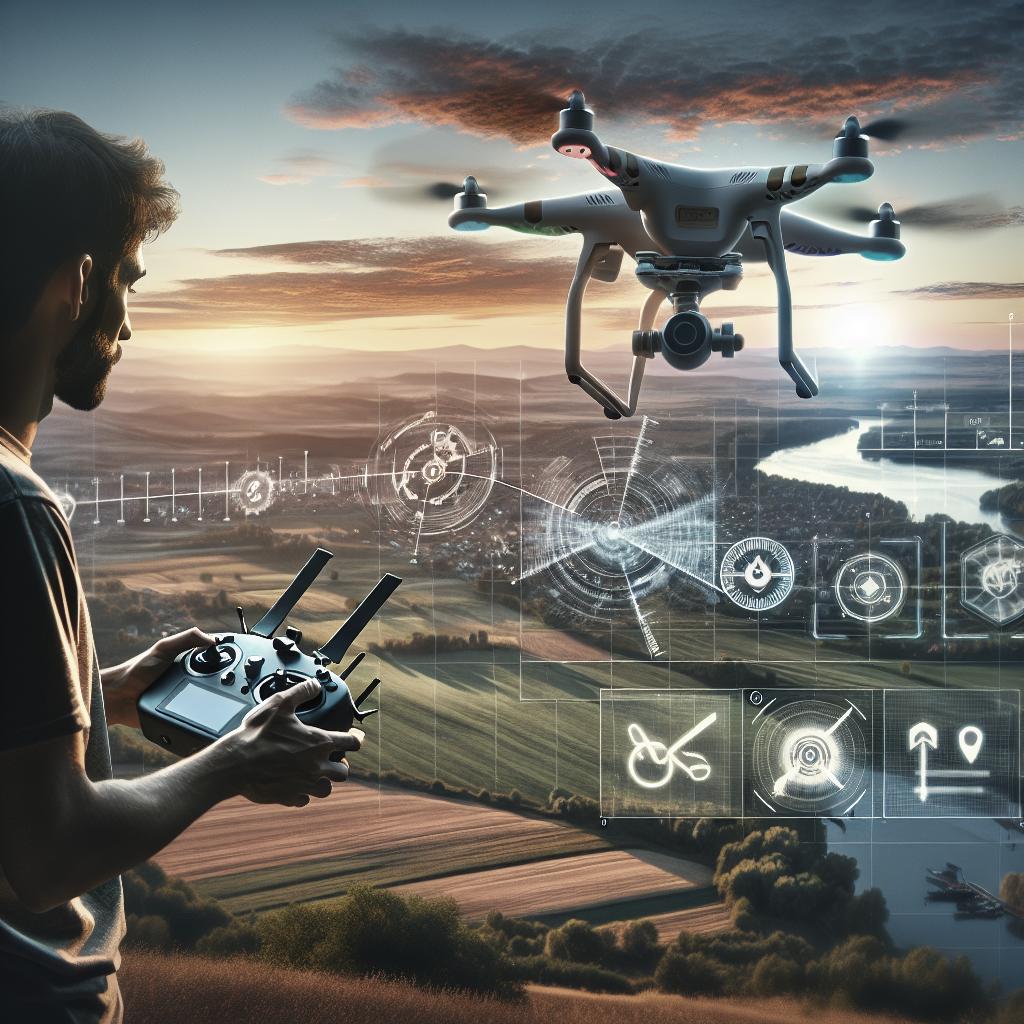
Sony made headlines when they announced their venture into the world of drones, a bold step into a rapidly growing technology sector. The Airpeak drone debut generated excitement amongst both tech enthusiasts and professionals seeking high-quality aerial footage. The synergy between Sony’s acclaimed imaging technology and the dynamic abilities of drones promised to revolutionize content creation. Yet, the abruptness of their exit left many questions unanswered. What factors led a tech giant like Sony to bow out of such a promising market after a short stint?
Several market factors may have influenced Sony’s decision. While the drone market is lucrative, it is also fraught with regulatory challenges and fierce competition from established players like DJI. Additionally, Sony’s strategic priorities may not have aligned with the expenses and challenges associated with sustaining a competitive drone product line. Hence, their exit underscored the volatile nature of tech enterprises, where even giants can’t always predict market dynamics. This swift turnaround serves as a reminder of the importance of adaptability and strategic focus in technology industries.
Benefits of Using a Gimbal for Crane Shots
A gimbal provides filmmakers with a versatile tool that transforms how shots are composed. Unlike traditional cranes, gimbals are compact, portable, and offer stabilizing technology that ensures smooth, cinematic motions. This capability allows even novice filmmakers to achieve professional-looking shots without the hefty cost of renting or purchasing crane equipment. Gimbals have sensors and motors that counterbalance the camera, allowing seamless movement in virtually any direction. This feature is particularly useful when attempting to replicate crane-like shots.
Another advantage is the ease of use. Gimbals are designed with user-friendliness in mind, allowing operators to maneuver the equipment with minimal training. They also extend creative possibilities, enabling unique, on-the-fly compositions that static mounts or tripods cannot offer. Whether you’re filming a rising shot over a crowd or a sweeping motion across a landscape, gimbals are adaptable to various shooting environments. By unlocking these possibilities, gimbals empower creators to push the boundaries of their visual storytelling.
Steps to Simulate a Crane Shot with a Gimbal
To achieve a crane-like shot using a gimbal, preparation is key. Start by selecting the right gimbal for your camera setup, ensuring it can handle the weight and dimensions of the device you intend to use. Next, ensure the gimbal is properly calibrated. This involves balancing the camera on the gimbal to achieve optimum stabilization. Many modern gimbals offer auto-tuning features, which simplify the calibration process and prevent jitter or unwanted tilts during filming.
For executing the shot, plan your movement before rolling the camera. Depending on the desired effect, you might want to start with the gimbal at your waist level and slowly raise it above your head or use a pole attachment for greater height. Incorporate smooth, steady movements to mimic the graceful motion typical of crane shots. Practice is crucial – the more familiar you become with the gimbal’s responsiveness and weight distribution, the better your shots will achieve the intended cinematic effect. Remember, the goal is to maintain a consistent speed and trajectory for the most compelling visual outcome.
Innovations in Gimbal Technologies
As the demand for sophisticated video capabilities rises, innovations in gimbal technology continue to progress. Recent advancements have introduced features such as facial recognition, time-lapse settings, and more advanced stabilization algorithms. These technologies make it easier for filmmakers to capture complex shots, further blurring the lines between amateur and professional-quality video production. With each generation, gimbals become lighter, more intuitive, and more capable, opening up new opportunities for creative expression.
Moreover, the integration of smartphone connectivity allows users to control gimbal settings, view footage in real-time, and even edit clips on the go. This convergence of technologies caters to an on-the-move generation craving immediacy in their content creation process. As gimbal manufacturers strive to innovate, we can expect further refinements that enhance usability and expand the creative toolkit of filmmakers everywhere.
Future Prospects
The relationship between gimbal technology and filmmaking continues to evolve. As more filmmakers recognize the potential of gimbals in capturing crane-like shots without the logistical complications, their adoption is likely to rise. With continual advancements, gimbals may soon reach a point where they become standard equipment on any film set, large or small. The convergence of advancements in software and hardware will likely produce even more seamless and intuitive tools for creators. While companies like Sony have chosen to exit certain tech endeavors, the pursuit of innovation in related sectors, such as gimbal technology, remains vigorous.
| Section | Summary |
|---|---|
| Sony Gets Out of Drones | Sony’s quick exit from the drone industry highlights the volatile tech market and the importance of strategic focus for tech companies. |
| Benefits of Gimbals | Gimbals provide a portable, user-friendly, and cost-effective way to achieve smooth crane-like shots without the need for large equipment. |
| Steps to Simulate Crane Shots | Simulating crane shots with a gimbal involves selecting the right equipment, calibrating it properly, and executing smooth, planned movements. |
| Innovations in Gimbal Technologies | Continuous advancements in gimbal technology, including facial recognition and mobile connectivity, enhance creativity and video quality. |
“`