“`html
Best Practices for Multi-Camera Setups
Multi-camera productions are a mainstay of television, theater, and live events, offering a dynamic way to capture different angles and perspectives. However, these setups come with their own set of challenges—particularly when it comes to scheduling. In this blog post, we will delve into the intricacies of multi-camera productions, discuss the hurdles that may arise with scheduling, and provide a series of best practices to tackle these challenges effectively. Whether you’re a seasoned professional or a newcomer to the field, this article aims to provide a comprehensive guide to optimizing your multi-camera production scheduling.
Understanding Multi-Camera Productions
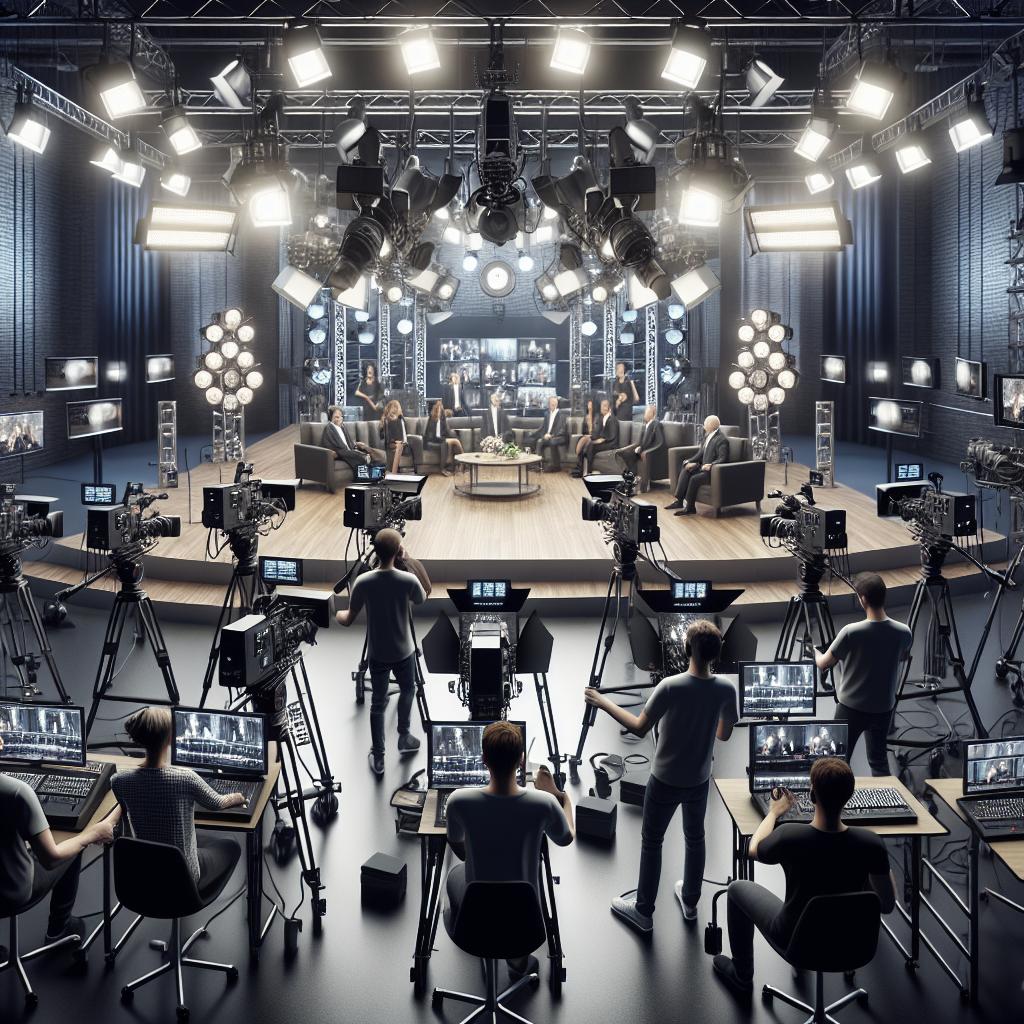
Multi-camera productions involve using multiple cameras simultaneously to capture a scene from various angles. This technique is widely used in live television broadcasts, sitcoms, concerts, and large events. The primary advantage of a multi-camera setup is the ability to film different perspectives in real-time, which is essential for providing viewers with a more dynamic and engaging viewing experience. Additionally, this method significantly reduces editing time compared to single-camera setups since the footage is already cut live as it happens.
The success of a multi-camera production largely hinges on the coordination between camera operators, directors, and other crew members. Unlike single-camera setups, where directors may focus on one shot at a time, multi-camera productions require a keen understanding of each camera’s role and the ability to switch between them seamlessly. This complexity makes planning and communication vital components when preparing for a multi-camera shoot.
Challenges in Scheduling for Multi-Camera Productions
Scheduling for multi-camera productions can be particularly challenging due to the number of moving parts involved. Coordinating multiple cameras requires careful consideration of equipment availability, crew schedules, and shooting locations. Each of these factors must align perfectly to ensure that the production proceeds smoothly, which can be difficult to achieve given the variability of each element.
Another significant challenge is the unpredictability of live events. External factors, such as weather or unforeseen technical issues, can disrupt even the best-laid plans. Productions must be flexible and able to adapt quickly to changes in order to maintain the integrity of the planned schedule. Moreover, balancing tight budgets while accommodating the demands of a multi-camera setup often adds a layer of complexity to the scheduling process.
Best Practices for Scheduling in Multi-Camera Productions
One of the key best practices for effective scheduling in multi-camera productions is thorough pre-production planning. This includes scouting locations in advance, analyzing the requirements of each shot, and ensuring that all crew members are briefed on their roles. The use of advanced scheduling software can also streamline the scheduling process by allowing overseers to easily track resources, timelines, and personnel.
Another important practice is to build flexibility into the schedule. Allowing for buffer times between setups and being prepared with contingency plans can make a significant difference in responding to unexpected issues. Clear communication channels between all team members are crucial, and regular team meetings can help reinforce understanding and collaboration.
Summary of Main Points
| Aspect | Description |
|---|---|
| Understanding Multi-Camera Productions | Captures multiple angles simultaneously; essential for live events and dynamic shots. |
| Challenges in Scheduling | Complex coordination of equipment and crew; unpredictability of live events. |
| Best Practices for Scheduling | Thorough pre-production planning, flexible schedules, clear communication. |
“`