“`html
Harnessing Natural Light in Video Shoots
Natural light is a powerful tool for video production that can drastically affect the mood, tone, and quality of your footage. By harnessing the sun’s natural rays, videographers can achieve stunning results without the need for expensive lighting equipment. This article delves into practical tips and strategies for utilizing natural light effectively in video shoots. From choosing the right location to selecting appropriate gear, each section provides insights to help you make the most of natural lighting. Additionally, we explore how to supplement and enhance the available light through various techniques ensuring your videos shine with professionalism and creativity.
Top tips for shooting video on natural light
2 May 2021
The date of production can significantly impact the type of natural light available. Seasonal changes affect the sun’s position and the length of daylight hours, so it’s crucial to plan your shoots accordingly. For instance, summer months provide longer days, thus offering more filming opportunities in golden light conditions, whereas winter might restrict filming hours but can offer a unique, softer light.
Alongside seasonal considerations, the weather also plays a big role. Clear, sunny days offer intense light, which can be harsh during midday. Meanwhile, overcast conditions provide a more diffused lighting which is often preferred for a softer, more even look. Monitoring the weather forecast allows for better preparation and timing of your shoots.
Using the sun as your backlight.
Utilizing the sun as a backlight can create visually dynamic effects in your videos. Positioning your subject with the sun behind them creates separation from the background, adding depth to the image. This technique can highlight your subject’s edges with a natural rim light, enhancing contours and providing a professional look.
However, when using backlighting, it’s essential to carefully manage exposure settings to prevent overexposure of your background while keeping your subject well-lit. Reflectors can be used to bounce light back onto your subject’s face, ensuring they are adequately illuminated alongside the dramatic backdrop created by the sun.
Choose the right locations.
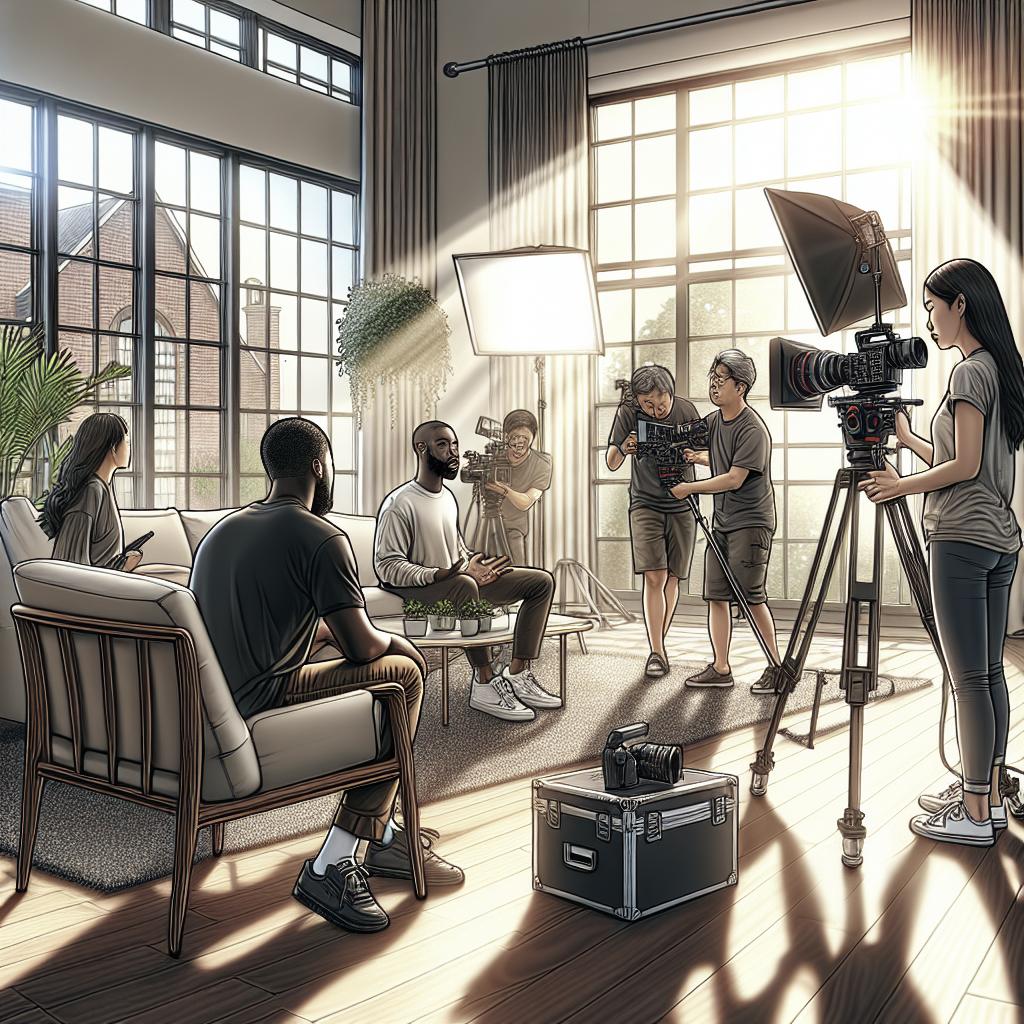
Location matters greatly when relying on natural light. Spaces with large windows or open areas allow for more flexible shooting conditions throughout the day. This gives you the opportunity to capitalize on varying light qualities as the sun progresses across the sky.
Additionally, scouting locations with natural reflectors like light-colored walls or natural bodies of water can enhance the available light. These surfaces help bounce light, adding to the quality and character of the lighting without needing artificial sources.
Choose the correct camera.
The camera’s dynamic range plays a significant role when shooting with natural light. Cameras with a high dynamic range can better handle the contrast between sunlight and shadows, preserving details in both highlights and darker areas. This is especially important for shoots during midday when the light is harsh.
Investing in a camera with excellent low-light performance also ensures you can capture quality footage during the magic hours of dawn and dusk. These times offer beautiful, soft lighting conditions that can transform your video projects.
Select a lens capable of capturing quality video in natural light.
Lenses with wide apertures (e.g., f/1.8 or f/2.8) allow more light to hit the camera sensor, which is beneficial for maximizing natural light conditions. Such lenses can create beautiful bokeh, separating your subject from the background in a pleasing manner.
Using lenses with focal lengths suitable for your shoot’s needs is equally crucial. Wide-angle lenses can capture grandiose landscapes with plenty of natural light, while telephoto lenses can focus on distant subjects, all whilst leveraging daylight.
Prepare, prepare and prepare!
Preparation is key to maximizing natural light. Pre-visualizing your shots and understanding how light plays with your chosen environment throughout the day can save you time and result in better footage.
Creating a shot list or storyboard can help outline the desired light conditions and shooting schedule. Additionally, testing shots during specific daytimes allows you to make necessary adjustments before the actual shoot, ensuring you achieve your visual objectives.
How can I make natural light?
Creating natural light effects indoors can be achieved through clever use of window spaces, mirrors, and light, sheer curtains. Arranging your setup near windows helps simulate the look of natural light pouring in, adjusting curtains or blinds can control the light intensity and diffusion.
One can utilize mirrors to reflect light deeper into the room, simulating additional natural sources. Diffusers can also come in handy, dispersing light over a larger area, maintaining the natural vibe while ensuring your subjects are evenly lit.
How can I add more natural light to a room?
Adding mirrors strategically across the room can bounce light, brightening darker corners and expanding the natural light reach. Opt for larger mirrors to maximize this effect. Reflective surfaces, like glossy floors or light-colored walls, can further enhance the light traveling throughout the space.
Another method involves increasing the size of window openings or installing skylights to introduce more daylight. This architectural change may require more effort but significantly transforms any space, making it more light-filled and conducive to natural light video shoots.
Enjoyed our writing? Share it!
If you found these tips on utilizing natural light helpful, share this article with fellow creators and help them light up their video projects! Stay connected with us for more insightful articles and let us know how these techniques have improved your work.
Feel free to reach out or share your experiences in the comments section below. We’d love to hear from you!
“`