“`html
Understanding the Principles of Minimalist Filming Techniques
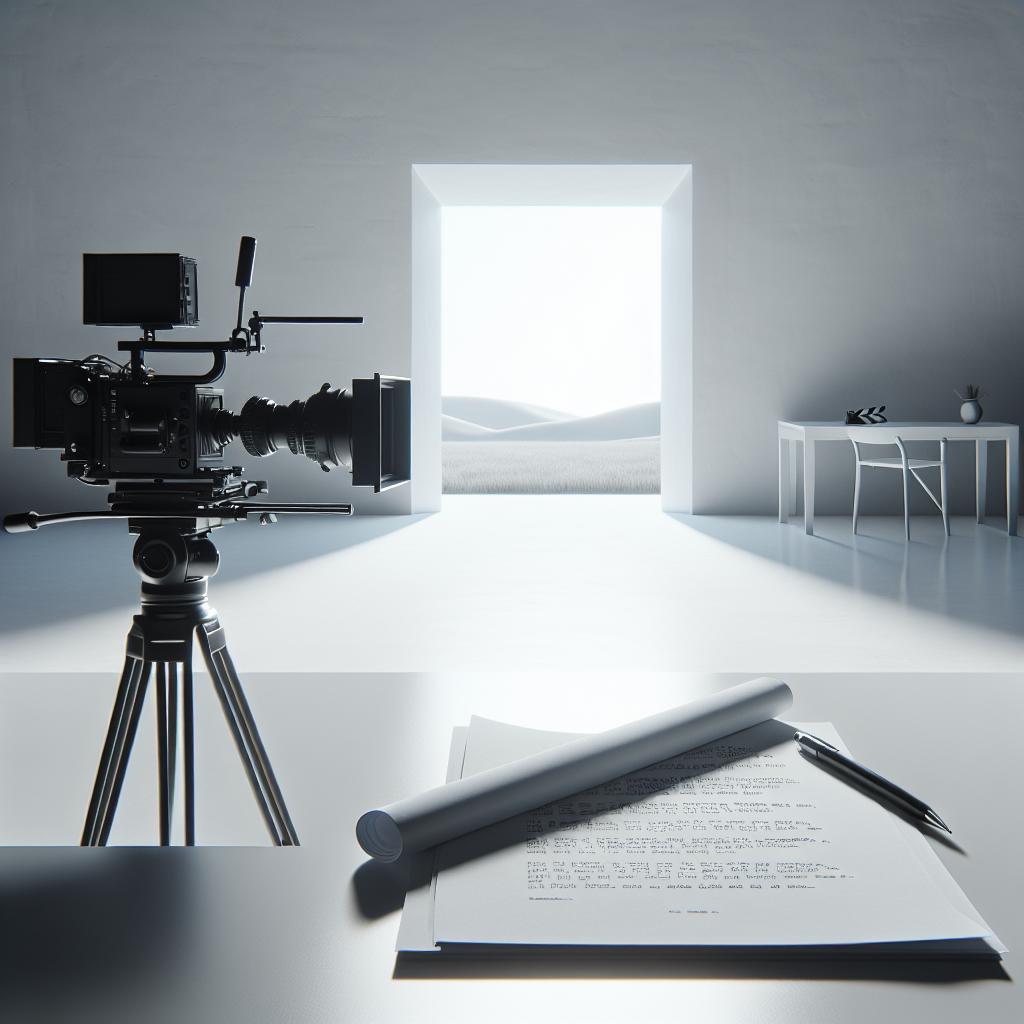
Minimalist filmmaking is an art form that focuses on simplicity, where less can indeed be more. This style emphasizes creativity within constrains, often highlighting the narrative or emotional aspects of the film rather than relying on extravagant sets or special effects. In this blog post, we’ll explore the principles of minimalist filming with insights derived from Roger Deakins, the revered cinematographer known for his minimalist approach. We’ll delve into his techniques, such as playing on contrast, simplicity, meticulous preparation, and placing the story at the forefront. Understanding these elements can offer valuable guidance for emerging filmmakers interested in adopting a minimalist style.
A Minimalist Approach to Filmmaking
Minimalism in filmmaking is a philosophy that embraces simplicity and eschews the superfluous. This approach often involves using a limited number of locations, a small cast, and a focus on the essentials of storytelling. The goal is to create a film that conveys a strong narrative or emotional message without relying on expensive production resources.
Minimalist films tend to focus on strong, well-developed characters and tight, well-written scripts. This demands a high level of creativity and ingenuity from filmmakers, as they must convey depth and meaning without relying on elaborate sets or high-end special effects. Instead, attention to detail and the creative use of everyday surroundings often take center stage.
Through minimalism, filmmakers learn to work within constraints, discovering that these limitations often birth innovative solutions and unexpected narrative depth. This approach encourages filmmakers to focus intensely on the core of storytelling, honing their skills and elevating the art of filmmaking itself.
Roger Deakins’ Style: The 4 Main Techniques
Playing on the Contrast
Roger Deakins, a master cinematographer, is known for his extraordinary ability to play with contrast, a quintessential aspect of minimalist filmmaking. Contrast in Deakins’ work goes beyond the visual dichotomy of light and dark; it extends to thematic contrasts like hope versus despair, or isolation versus connection, which manifest on screen through his cinematographic choices.
By employing contrast, Deakins sets the mood and tone of scenes, allowing the storytelling to unfold naturally through visual cues. The strategic use of shadow and light serves to sculpt the frame, draw the viewer’s attention to critical plot elements, and enhance the emotional gravity of the storyline. This technique highlights how minimal resources can be implemented to achieve maximum impact when wielded with creativity and precision.
Simple but Tasteful
Another hallmark of Deakins’ minimalist approach is his emphasis on simplicity and taste. This does not mean that his films lack complexity, but rather that they are visually accessible and coherent, inviting audiences to focus on the essential elements of the narrative.
Deakins often uses natural lighting and practical locations instead of elaborate setups, which adds authenticity and immediacy to his films. This method requires a keen eye for composition and a seasoned understanding of visual storytelling. Through this approach, Deakins demonstrates that simplicity, when executed with careful thought and intention, can produce profoundly moving sequences.
Good Preparation is the Key to Success
Preparation is absolutely fundamental in Deakins’ minimalistic filming techniques. The reduced scale of production does not imply reduced effort; on the contrary, it demands more from filmmakers to be meticulously prepared. Every aspect, from location scouting to lighting schemes, must be considered in advance.
For Deakins, being prepared means fostering a deep understanding of the script and the director’s vision. This preparation allows him to tailor his methods to the story’s specific needs, making every shot count and minimizing unnecessary elements. The result is a leaner, more focused film that captures the audience’s attention with intention and clarity.
The Story is at the Center of it All
Above all, Roger Deakins’ minimalist style places the story at the center of filmmaking. This philosophy upholds storytelling as the core purpose of the film, where every decision, whether it be technical or artistic, is made in service of the narrative.
Deakins illuminates the essence of this approach by allowing the story to dictate the cinematographic style. It’s about enhancing character development and plot progression through visual nuances that do not distract but complement the storytelling process. By keeping the story as the focal point, filmmakers can craft compelling and immersive cinematic experiences without the need for ostentation.
Afterword
Embracing minimalist filmmaking requires dedication to the craft and an unwavering focus on storytelling fundamentals. As captured through the lens of Roger Deakins, the minimalist approach does not equate to a lack of substance; rather, it calls for a deeper exploration of the art and science of motion pictures. The principles of contrast, simplicity, preparation, and story-centric filmmaking are invaluable for anyone looking to delve into this style.
For filmmakers ready to explore this fascinating realm, the core teachings of Deakins offer a pathway to creating compelling narratives that leave a lasting impression. The next step involves experimenting with these techniques, finding unique ways to tell stories with the means at hand, and appreciating the profound impact of minimalism in cinema.
| Technique | Description |
|---|---|
| Playing on the Contrast | Utilizes light and dark as well as thematic contrasts to emphasize mood and story elements. |
| Simple but Tasteful | Focuses on using natural lighting and practical locations to deliver authenticity and coherence. |
| Good Preparation | Thorough pre-planning to align the cinematographic approach with the narrative needs. |
| Story-Centric Approach | Ensures all cinematographic decisions are made to enhance the storytelling. |
“`