“`html
Capturing High-Speed Action Shots Effectively
Capturing high-speed action shots presents both an exciting opportunity and a technical challenge. Whether it’s athletes in motion, wildlife in its natural habitat, or any scene where action unfolds rapidly, the need for precision and optimal camera settings becomes paramount. In this guide, we’ll delve into several crucial aspects of photography that cater specifically to high-speed action shots. From mastering shutter speed and aperture settings to adjusting your ISO for varying light conditions, each step plays a vital role. We’ll also explore advanced techniques like using burst mode and focusing. These strategies, detailed under specific headings, will provide you with a comprehensive understanding to elevate your action photography skills.
Use a Fast Shutter Speed
Shutter speed is one of the most critical factors for capturing high-speed action. A fast shutter speed allows you to freeze movement and capture sharp, detailed images even when subjects are moving quickly. Typically, a shutter speed of 1/1000s or faster is ideal for sports and action photography. However, the best setting can vary depending on the speed of the subject and the amount of light available.
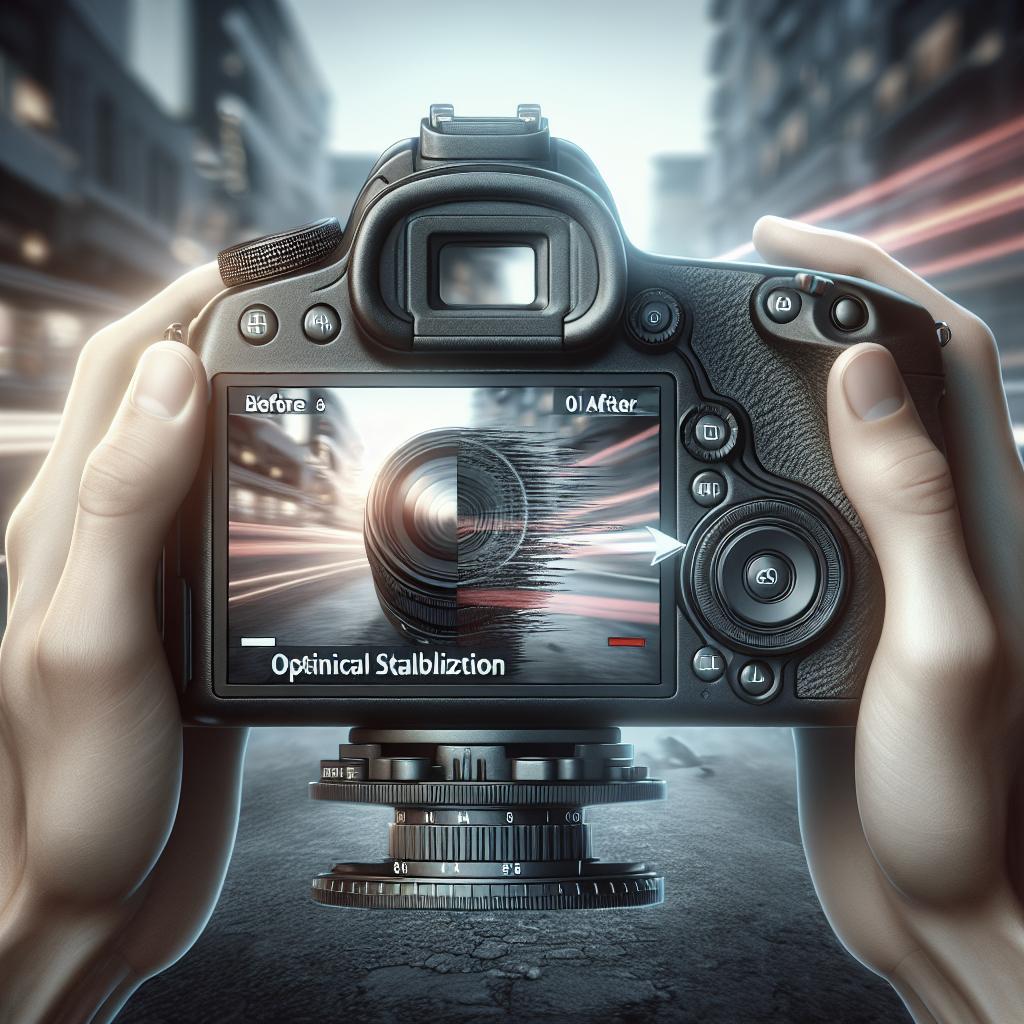
Experimenting with different shutter speeds can help you find the perfect setting for your situation. Remember that faster speeds will let in less light, necessitating adjustments to other settings like aperture or ISO. It’s also vital to use a camera or lens with image stabilization to reduce the risk of blur from handheld shots.
Consider the aspect of motion you want to capture. While freezing a moment is a common goal, sometimes you might want to capture motion blur creatively. For such effects, a slightly slower shutter speed can introduce a sense of movement to your shots, provided you use a steady hand or tripod to maintain clarity.
Open Your Aperture
Aperture plays an essential role in determining how much light enters the camera sensor. By opening your aperture (choosing a smaller f-number like f/2.8 or f/4), more light can hit the sensor, allowing for faster shutter speeds, which are crucial for capturing quick movements.
A wider aperture also contributes to a shallow depth of field, creating a fantastic bokeh effect that isolates your subject against a beautifully blurred background. This effect is especially desirable when you want the focus to remain on a fast-moving subject without distractions from the environment.
It is important to balance aperture size with depth of field considerations. While a wider aperture will give you that beautiful blur, it will also make focusing more critical since you’ll have a much narrow range of sharpness. Take time to practice focusing techniques to leverage wide apertures effectively.
Increase Your ISO
ISO is another key component in shooting high-speed action, particularly in less-than-ideal lighting conditions. By increasing the ISO setting, your camera’s sensor becomes more sensitive to light, allowing you to use faster shutter speeds combined with a smaller aperture if necessary.
Higher ISO settings can introduce noise into your images, which can sometimes degrade the quality. However, many modern cameras are equipped to handle noise effectively, even at higher ISO levels. It’s essential to find the right balance; test out different ISO settings to understand how they influence image quality on your specific camera model.
Consider using software tools post-capture to reduce noise levels. While the primary goal is to capture as clear an image as possible in-camera, advances in software like Adobe Lightroom offer solutions to enhance image quality even further.
Use Burst Mode
Burst mode is a photographer’s friend when it comes to capturing fast-paced action. By holding down the shutter button, you can snap a series of images in rapid succession, ensuring you won’t miss crucial moments. This setting maximizes your chances of getting that perfect shot, especially in unpredictable scenarios.
Shooting in burst mode can result in many photos that you need to sift through. Be prepared for this in your workflow and develop a system for quickly sorting and identifying the best images. It can be helpful to practice this process to improve efficiency and ensure no potential shots are overlooked.
Ensure your memory cards and camera buffers can handle the increased data load from burst photography. Higher-speed SD cards are recommended to prevent slow writing times that might cause you to miss key moments while waiting for your camera to process data.
Shoot in JPEG
While RAW files offer superior quality and editing flexibility, they come with larger file sizes and slower write speeds. For high-speed action shots, consider switching to JPEG format to allow your camera to handle more images at faster speeds without buffer issues.
JPEGs are processed in-camera and provide a more immediately usable format. This can be advantageous if you need to quickly share shots, such as during live events or for rapid publication purposes. Ensure your camera’s JPEG settings are optimized for the type of shoot you are conducting.
Balancing the benefits of JPEG and RAW comes down to your needs and expected post-processing. If you need extensive editing latitude, shooting RAW may be worth the potential delays. Always make these decisions based on the specific requirements of each shoot, considering factors like deliverable timelines and image storage capacity.
Perfect Your White Balance
Correct white balance ensures colors appear natural and consistent under different lighting conditions. Since action shots often occur in dynamic lighting, having your white balance setting optimized is crucial for high-quality images.
Most cameras have several white balance presets, but manually setting the white balance can give you the clearest colors for a more professional look. Consider using a white or grey card to calibrate your camera if accurate color representation is critical.
Shooting in environments with mixed lighting or quick changes in lighting conditions? Use auto white balance intelligently but review and adjust your settings if you find your camera misjudges a scene. Consistency in your shots will contribute markedly to professional-grade results.
Turn Your Flash Off
In many high-speed action situations, using a flash can be both impractical and disruptive. The delay caused by needing to recharge the flash between shots could cause you to miss crucial photo opportunities.
Natural light not only provides a more authentic depiction of the captured scene but also lets you utilize faster shutter speeds without waiting for the camera’s flash to cycle. It’s advisable to prepare for natural lighting variations and how they interact with your chosen settings.
When shooting indoors or in low light where flash might seem necessary, experiment with external lighting sources or higher ISO settings to compensate. This strategy ensures that you maintain the flow of shooting without interruptions from flash recycle times.
Tweak Your Focusing
Focusing is a vital skill in capturing sharp high-speed action shots. Autofocus technology has advanced, yet understanding how to leverage your camera’s autofocus settings is imperative for success.
Consider using continuous autofocus (AF-C) to track moving subjects effectively. This allows your camera to adjust focus swiftly, ensuring that you have sharp images even as the action shifts. Practice following subjects through the lens to increase your proficiency with this feature.
Select your focus points manually for maximum accuracy. While automatic systems can be efficient, manual selection can sometimes be more reliable, especially for capturing unpredictable movement. Become familiar with operations specific to your camera model for optimal results.
Final Thoughts
| Tip | Description |
|---|---|
| Use a Fast Shutter Speed | Freeze movement with speeds from 1/1000s or faster, adjusting for light and creativity. |
| Open Your Aperture | Choose a smaller f-number for more light and bokeh, ensuring depth of field suits focus needs. |
| Increase Your ISO | Enhance sensor sensitivity for fast shooting in low light, balancing against potential noise. |
| Use Burst Mode | Capture rapid sequences of shots, maximizing chances for perfect captures. |
| Shoot in JPEG | Benefit from smaller file sizes and faster processing over RAW files in high-speed contexts. |
| Perfect Your White Balance | Set proper white balance for true colors across changing lighting conditions. |
| Turn Your Flash Off | Avoid flash disruptions in fast sequences, opting for natural or other forms of lighting. |
| Tweak Your Focusing | Utilize continuous autofocus and manual point selection to sharply capture moving subjects. |
“`