“`html
Considerations for Filming in Crowded Locations
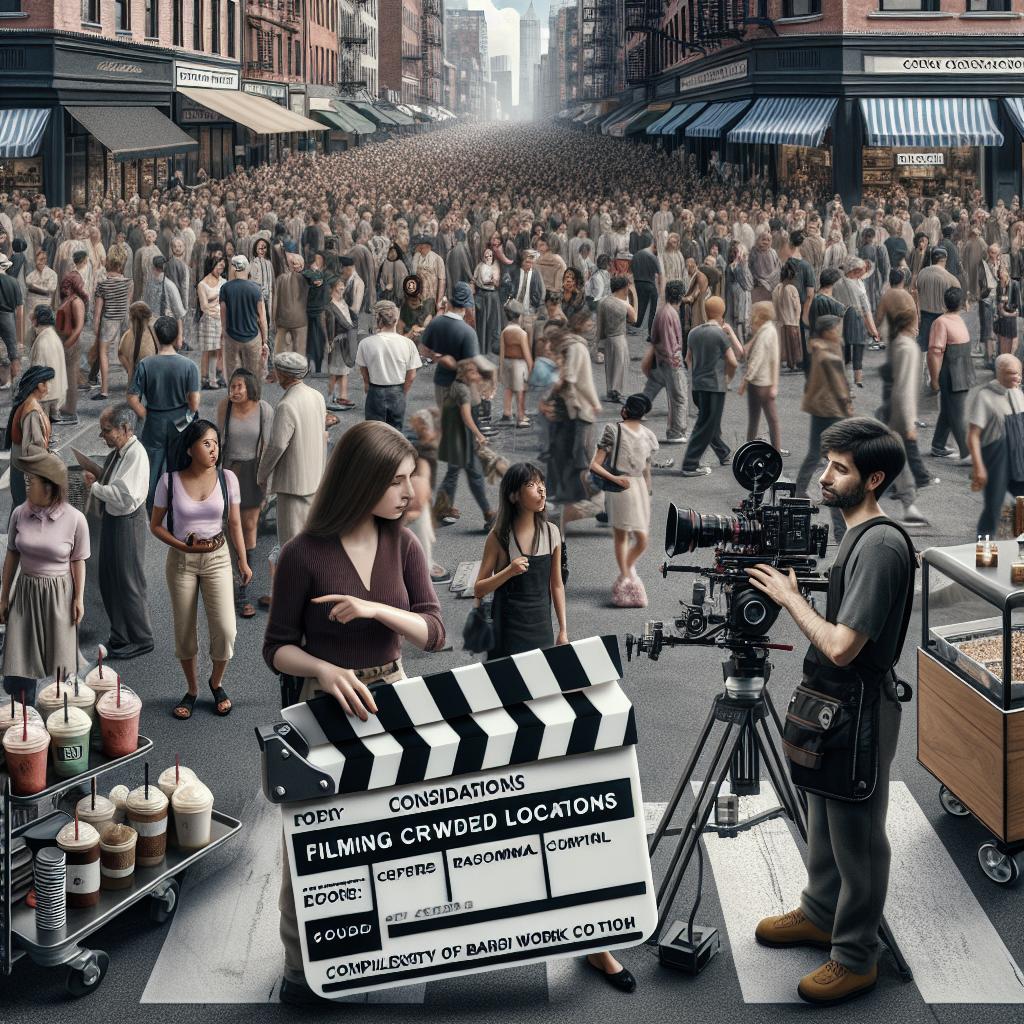
Filming in crowded locations presents filmmakers with a unique set of challenges and opportunities. On one hand, such locations provide lively and dynamic backgrounds that can elevate a scene’s authenticity and excitement. On the other, they require meticulous planning to ensure safety, legality, and artistic integrity. This article delves into essential considerations for any production team working in such environments, from obtaining permits to managing logistics, ensuring safety, handling public relations, optimizing sound, and capturing a creative vision without disruption. By being mindful of these factors, filmmakers can successfully navigate the complexities of filming in crowded spaces, bringing their creative projects to life amidst the vibrant energy of public hubs.
1. Securing Necessary Permits and Permissions
One of the first steps in planning a shoot in a crowded area is securing the necessary permits. These permits are typically issued by local authorities and are crucial for ensuring that filming is conducted according to legal requirements. Depending on the location, these may include street closures, use of public spaces, or even licensing to capture certain architectural landmarks. Failing to obtain the proper permits can lead to delays and legal issues.
It’s important to contact local government offices well in advance of the shoot date. This gives you ample time to work through any red tape and adjust your plans based on the permissions granted. Transparency about your intended activities and open communication with authorities often leads to smoother arrangements and contributes to building professional relationships.
2. Navigating Logistical Challenges
Crowded locations come with inherent logistical challenges, such as controlling the flow of people and managing equipment placement. When planning, consider the physical constraints of the area, including narrow paths, crowded thoroughfares, and local transportation routes. A thorough site visit during the planning phase helps identify potential obstacles and devise a functional layout for the crew and equipment.
Additionally, managing time efficiently is crucial. Scheduling shoots during off-peak hours can help reduce disruptions, while ensuring enough crew is present to manage equipment and maintain control over the filming environment is vital for a smooth operation. Portable equipment can also be beneficial, offering mobility and minimizing setup times in busy areas.
3. Ensuring Safety and Compliance
The safety of both the crew and the public should always be a top priority when filming in crowded locations. It is essential to conduct a comprehensive risk assessment prior to the shoot. This includes identifying potential hazards, such as tripping over cables, congestion points, and emergency evacuation routes. Adequate measures must be taken to mitigate identified risks.
Contracts with local security personnel or hiring professional crowd management services can be a wise investment. In addition, coordinating with emergency services and having a first aid kit onsite ensures preparedness for unforeseen incidents. Maintaining safety and compliance not only protects individuals involved but also upholds the reputation of the production company.
4. Handling Public Relations Effectively
When working in public spaces, interaction with bystanders and local residents is unavoidable. Crafting a positive relationship with the community can facilitate a better shooting experience. Clearly communicating your filming intentions through notices or social media, and being respectful of local sentiments, goes a long way in creating goodwill.
Consider hiring a public relations officer to handle communications and address any concerns that may arise from the public. Responding promptly and professionally to inquiries and ensuring the public that disturbances will be minimized demonstrates respect and helps in averting potential conflicts or complaints.
5. Overcoming Sound and Technical Challenges
Ambient noise is one of the most significant challenges when shooting in crowded locations. Using high-quality directional microphones and investing in soundproofing equipment can help in capturing clearer audio. In post-production, using advanced sound editing tools can further refine audio quality to the desired standards.
Lighting can also pose challenges due to ever-changing environmental conditions in open spaces. Utilizing portable lighting rigs and reflectors ensures consistent lighting across scenes. Continuous communication between the director, cinematographer, and technical crew is essential for adapting to these changes seamlessly.
6. Maintaining Artistic Vision Amidst Distractions
Capturing a director’s vision in a crowded location requires focus and flexibility. Distractions are inevitable, and maintaining a creative focus amidst such environments can be challenging. Pre-visualization techniques, such as storyboarding and shot planning, are invaluable tools in achieving consistency and cohesion in the final product.
Allowing room for improvisation can also enhance creativity, as unplanned elements sometimes add depth and dynamic realism to a scene. Training the crew to work collaboratively and adapt to unforeseen variables ensures that the artistic goals of the project are met without compromising on quality.
Rate this article
Please rate the quality and usefulness of this article to help us improve our content.
Thanks for your feedback
We appreciate your input and strive to bring you more engaging content. If you have any additional comments or suggestions, feel free to let us know.
Tell us more
Share your experiences or challenges faced while filming in crowded locations. Your stories can provide valuable insights to fellow filmmakers.
More articles on Video Production
- The Art of Storyboarding: Planning Your Cinematic Vision
- Lighting Techniques for Outdoor Filming
- Effective Video Editing Tips for Beginners
- Innovative Drone Filming Strategies
Are you sure you want to delete your contribution?
If you’re sure about proceeding with this action, please confirm your choice.
Are you sure you want to delete your reply?
Confirm your action to delete your reply. This cannot be undone.
Future Prospects
| Consideration | Key Aspects |
|---|---|
| Securing Permits | Legal requirements and relationship building with authorities |
| Logistical Challenges | Site assessment and efficient scheduling |
| Safety and Compliance | Risk assessments and emergency preparedness |
| Public Relations | Community interaction and media communication |
| Sound and Technical Challenges | Audio quality and lighting adjustments |
| Artistic Vision | Pre-planning and creative adaptability |
“`