“`html
The Role of Editing in Cinematic Storytelling
Editing is often described as the invisible art in filmmaking. It sits at the core of cinema, transforming raw footage into a coherent and captivating narrative. This blog post explores the multifaceted role of editing in cinematic storytelling, delving into its power to craft rhythm, evoke emotion, and guide the audience’s focus. From maintaining continuity to enhancing the auditory experience, editing is the glue that holds the visual and audio elements together, allowing filmmakers to tell their stories in the most compelling way possible. In an age where video marketing is becoming increasingly crucial, understanding these elements can also elevate your skills in creating engaging video content. Dive in to unravel the magic that happens behind the scenes, silently sculpting stories that stay with us long after the credits roll.
1. It’s More Than Just Cutting and Joining
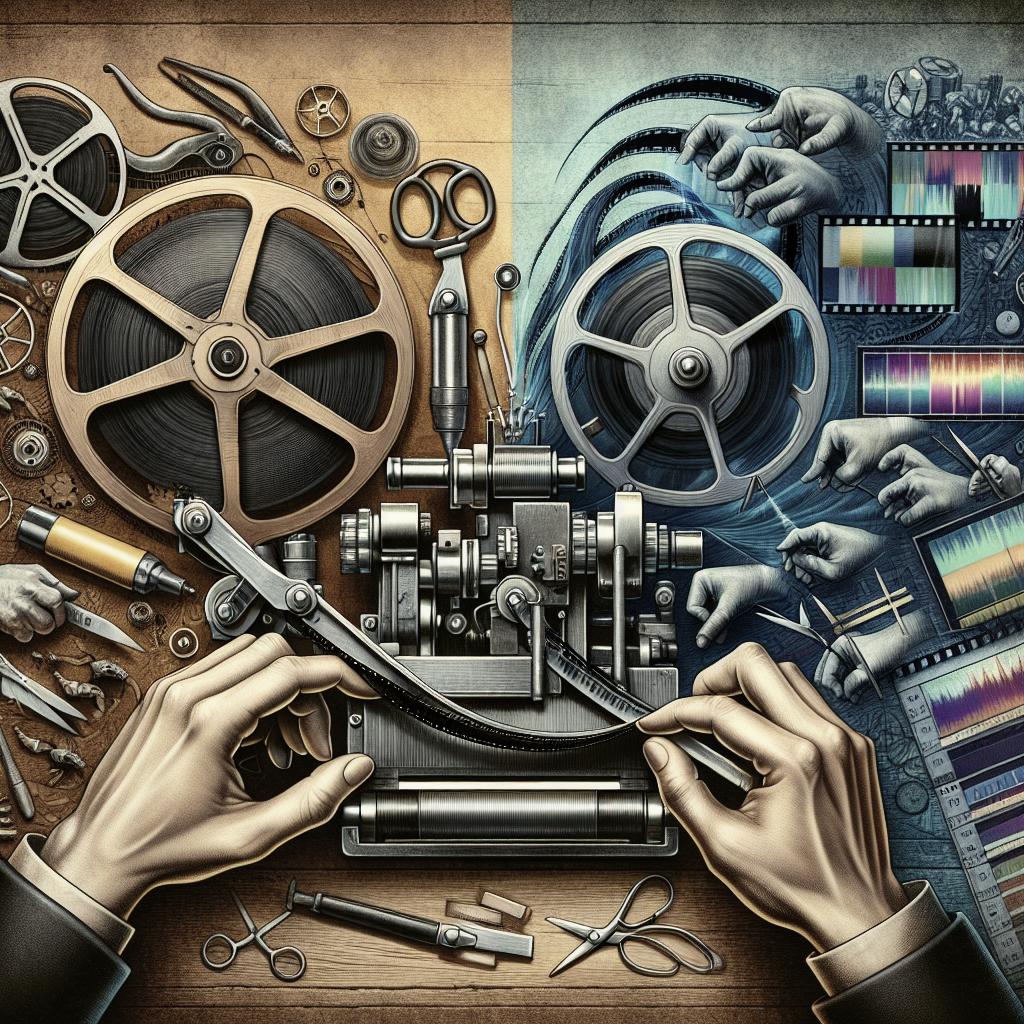
Editing is often perceived as simply cutting and joining pieces of film. However, in cinematic storytelling, it is an art form that shapes the narrative and breathes life into the director’s vision. The editor’s role extends far beyond the mechanical task of sequencing; it involves making creative decisions that impact the pacing, tone, and overall impact of the film.
Through careful selection and arrangement of scenes, editors bring clarity and direction to the storyline. They decide what to emphasize and what to discard, effectively controlling the audience’s focus and emotional journey. This process requires a delicate balance between intuition and technical skill, as editors must understand the nuances of storytelling to create seamless transitions that keep the audience engaged.
2. Creating Rhythm and Flow
One of the essential functions of editing in cinematic storytelling is to establish rhythm and flow. Just like a piece of music, a film relies on its beat and tempo to set the mood and guide the audience through the narrative. Editors achieve this by manipulating the duration of shots, the pacing of cuts, and the synchronization with soundtracks.
Rhythm in editing can evoke different reactions from the audience—rapid cuts may create a sense of urgency or excitement, while longer shots can build suspense or contemplation. The flow ensures that the narrative unfolds smoothly, maintaining continuity and connection between scenes. When done effectively, the editing remains invisible, allowing the audience to become fully immersed in the story without noticing the stitching between shots.
3. Emotional Resonance
Editing plays a crucial role in eliciting emotional responses from the audience. By carefully selecting which scenes to include and how to juxtapose them, editors can enhance the emotional impact of a narrative. This involves understanding the subtle art of timing—knowing when to linger on a character’s expression or when to abruptly cut to a new scene to heighten tension.
An editor can use visual motifs and cross-cutting techniques to weave together different storylines that resonate emotionally. Through the juxtaposition of images and sound, editors manipulate the audience’s emotions, building a connection between viewers and the characters on screen. This emotional resonance is what transforms a film from mere entertainment into a powerful, memorable experience.
4. Perspective and Focus
Through the lens of editing, perspective and focus in cinematic storytelling can be meticulously controlled. Editors have the unique ability to guide the viewer’s gaze, ensuring that crucial story elements are highlighted while peripheral details remain in the background.
The choice of cutting between different perspectives can reveal essential story points, change audience sympathy, or even present unreliable narratives. In this way, editing functions much like a director’s pen, crafting subtext and deeper meaning through intentional focus and perspective shifts. Such techniques help to shape how the story is understood and perceived, influencing the overall narrative experience.
5. Continuity: The Unsung Hero
Continuity in editing might be an unsung hero, but its importance in cinematic storytelling cannot be overstated. Continuity ensures that the narrative is uninterrupted and logical, allowing the audience to follow the story without distraction or confusion.
Editors must be vigilant in maintaining consistency in the film’s visuals, ensuring that elements like lighting, wardrobe, and stage repositioning remain coherent across scenes. This seemingly minor aspect of editing can significantly impact realism, ensuring that viewers remain engaged with the narrative flow rather than being jolted out of the experience by noticeable inconsistencies.
6. Working Hand-in-Glove with Sound
Editing is deeply interconnected with sound, as both elements collaborate to create a holistic cinematic experience. The integration of sound and visuals enhances the emotional texture and storytelling scope. Editors often work closely with sound designers to synchronize dialogue, effects, and music with the visual edits.
The strategic use of sound can amplify the storytelling efficacy—be it through the haunting silence preceding a climax or the dynamic score underscoring an action sequence. This synergy between sight and sound is essential in crafting a narrative that captivates audiences and evokes a visceral emotional response.
7. To sum up…
Editing is far from just a technical process; it is a cornerstone of cinematic storytelling that combines artistry and technique to construct a cohesive narrative. As movies continue to evolve, the role of editing becomes more profound, reshaping how stories are told and experienced. From setting pace and rhythm to eliciting emotional depth, editing is an essential ingredient that shapes how stories are received by audiences.
In a world where visual storytelling extends beyond traditional cinema—into marketing and social media—understanding the nuances of editing can enhance one’s ability to craft impactful stories across platforms. Through its seamless blend of creative and technical prowess, editing remains a vital player in the symphony of cinematic storytelling.
8. Become a video marketing pro
As video continues to dominate the digital landscape, understanding editing’s role in storytelling can elevate your video marketing strategies. Tailoring your content rhythm, focusing on emotional connection, and maintaining narrative continuity can transform your projects, making them more engaging and memorable.
To become a video marketing pro, dive deeper into editing software tools, learn narrative techniques, and focus on the synergy between visual and audio elements. As you refine your skills, keep experimenting with various editing styles and storytelling methods to discover what resonates best with your audience. The journey of mastering the art of editing will empower your ability to craft compelling, visually-arresting stories that captivate and convert.
Final thoughts
| Aspect | Role in Cinematic Storytelling |
|---|---|
| More Than Just Cutting and Joining | Transforms footage into a coherent narrative, involves creative decisions. |
| Creating Rhythm and Flow | Establishes pace and mood, guides narrative smoothly. |
| Emotional Resonance | Enhances emotional impact, connects viewers with the story. |
| Perspective and Focus | Controls viewer’s gaze, shapes understanding of the narrative. |
| Continuity | Maintains narrative coherence and realism. |
| Sound Integration | Enhances storytelling through audiovisual synchronization. |
| Video Marketing Insight | Strengthens storytelling in marketing through effective editing techniques. |
“`